This question usually comes from one of two places:
You’re afraid you’re waiting too long to invest.
Or you’re afraid you’re investing too soon.
Both fears come from the same problem — skipping structure.
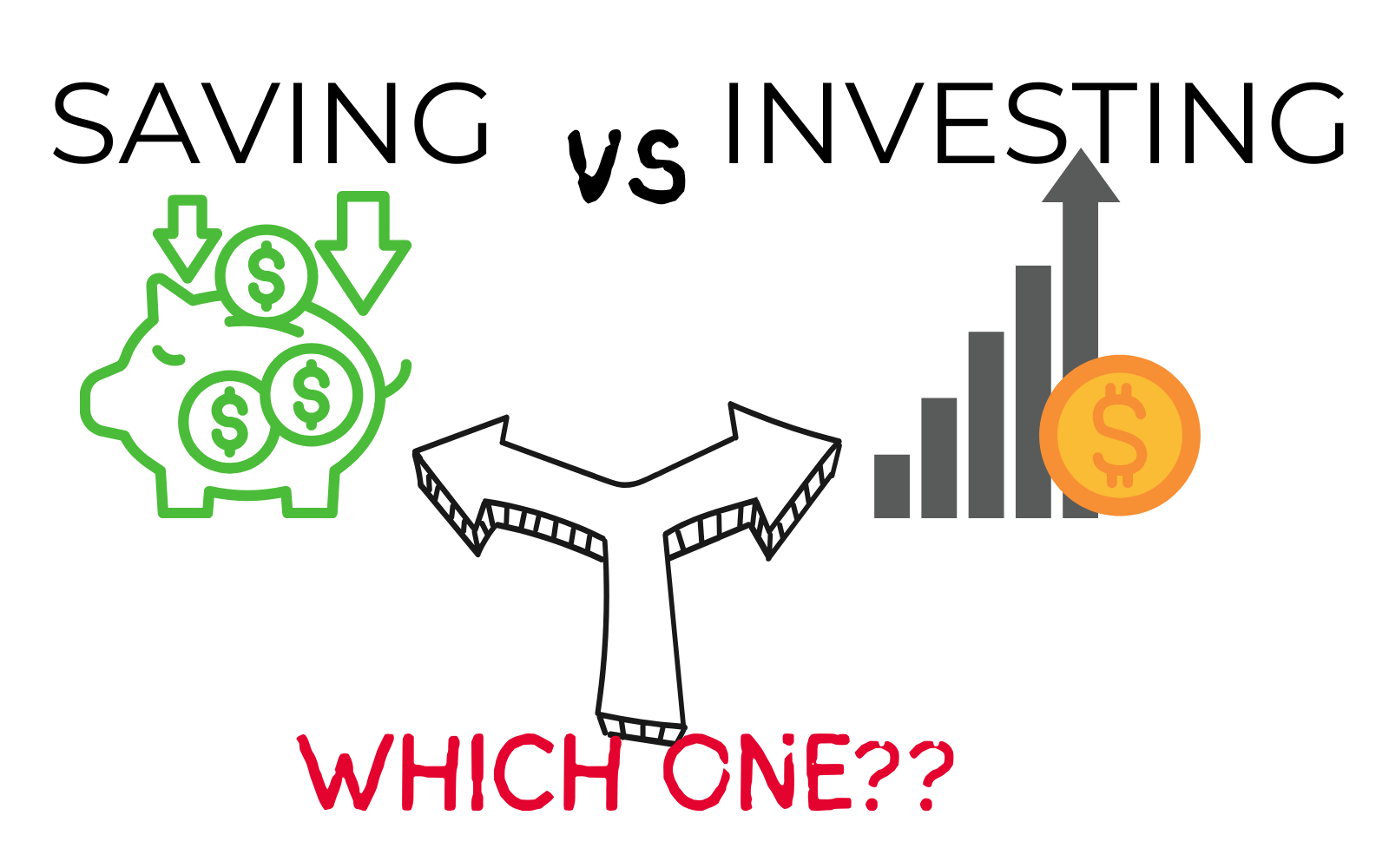
Saving and investing are not competing choices.
They are steps in order.
First: Saving And Investing Have Different Jobs
Saving is for stability.
Investing is for growth.
Saving protects you.
Investing expands you.
If you mix those roles, things get stressful quickly.
When You Should Be Saving
You should prioritize saving when:
- You do not have an emergency fund.
- Your income feels unstable.
- You rely on credit for unexpected expenses.
- You carry high-interest debt.
Savings should live in a High-Yield Savings Account (HYSA) — not a traditional savings account earning almost nothing.
Your first goal is simple:
Three to six months of essential expenses.
Until that exists, investing is secondary.
If you do not have a HYSA yet, start there.
→ Best Beginner High-Yield Savings Account
When You Should Be Investing
You should begin investing when:
- You have 3–6 months of expenses saved.
- You are not relying on high-interest debt.
- Your cash flow is stable.
- You can leave the money untouched for years.
Investing only works when you can be patient.
If you might need the money in the next 1–3 years, it does not belong in the market.
The Mistake People Make
People try to rush into investing because they feel behind.
But investing without stability creates anxiety.
Every market dip feels like danger.
Every emergency feels like a setback.
Savings makes investing emotionally survivable.
A Simple Order That Works
- Build a small emergency buffer.
- Eliminate high-interest debt.
- Grow savings to 3–6 months of expenses.
- Begin investing gradually.
- Increase investing as income grows.
There is no rush between steps. There is only progression.
Can You Do Both?
Yes — once you have basic stability.
After your emergency fund is established, you can:
- Continue maintaining savings.
- Begin investing new money.
- Adjust your allocation as income increases.
Saving does not stop when investing begins.
It just stops being the main priority.
The Takeaway
Saving and investing are not opposites.
They are phases.
Save until you are stable.
Invest when you are steady.
Increase both as you grow.
Financial confidence comes from structure — not speed.
That is money without noise.