An emergency fund is one of those things everyone says you should have, but very few people explain clearly.
How much is enough?
Where should it live?
And what actually counts as an “emergency”?
Let’s answer all of it — simply and without noise.
What An Emergency Fund Is (And Isn’t)
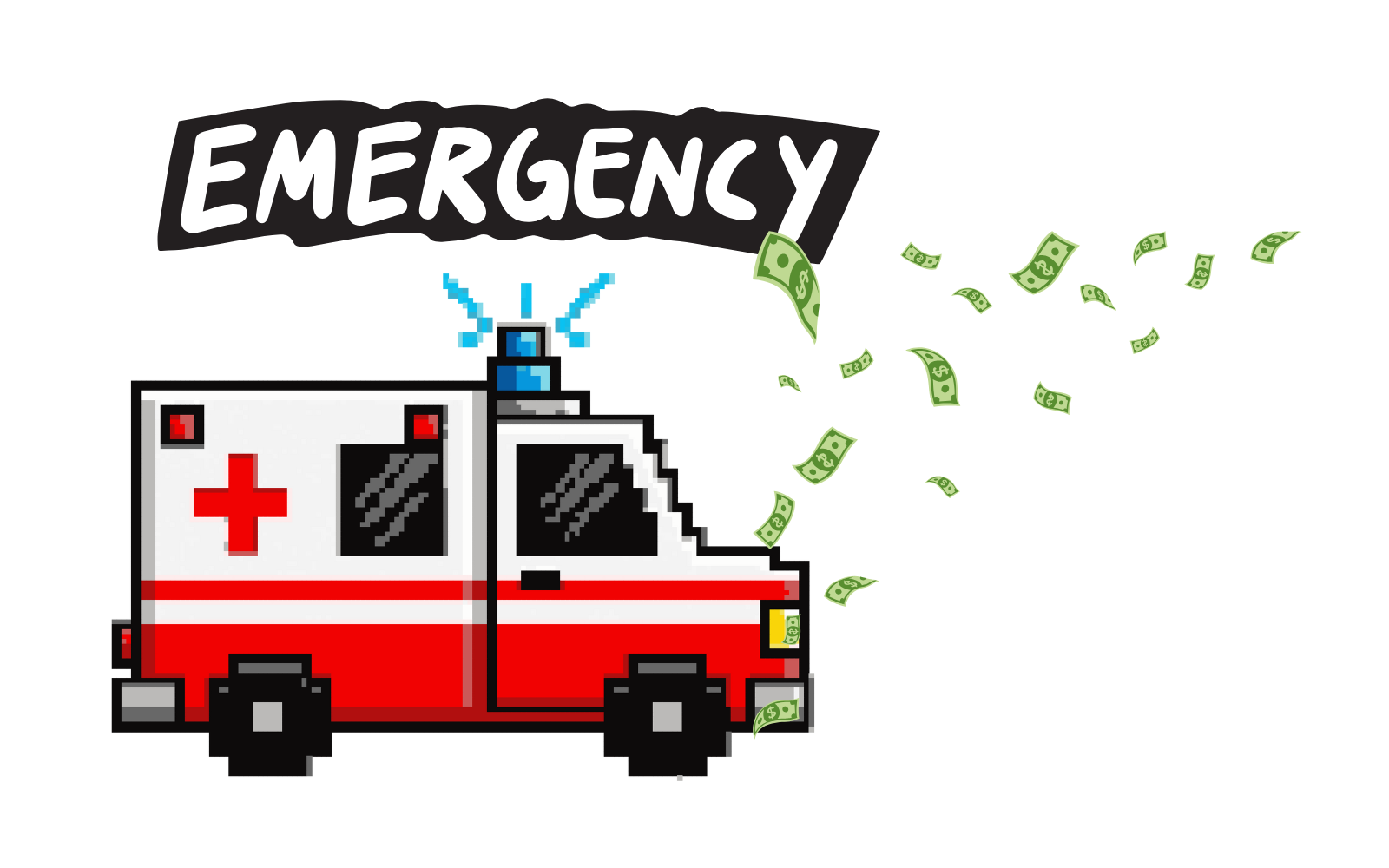
An emergency fund is money set aside to protect you from financial disruption.
It is for:
- Job loss
- Medical expenses
- Car or home repairs
- Unexpected, necessary costs
It is not for:
- Vacations
- Planned purchases
- Lifestyle upgrades
- Investing opportunities
An emergency fund exists to create stability, not growth.
How Much Should Your Emergency Fund Be?
A simple and widely accepted guideline is:
Three to six months of essential expenses.
Not income.
Not total spending.
Just the basics.
Essential expenses include:
- Rent or mortgage
- Utilities
- Groceries
- Insurance
- Minimum debt payments
- Transportation
Example
If your essential expenses total $2,000 per month:
- Three months = $6,000
- Six months = $12,000
You do not need to reach this amount all at once. Building toward it consistently is what matters.
Where Should Your Emergency Fund Live?
Your emergency fund should live in a High-Yield Savings Account (HYSA).
A HYSA:
- Keeps your money accessible
- Earns significantly more interest than a traditional savings account
- Does not involve market risk
Traditional savings accounts earn very little interest and do not meaningfully grow your money. A HYSA serves the same purpose — but better.
If you do not have a HYSA yet, start there.
→ Best Beginner High-Yield Savings Account
Why Not Keep An Emergency Fund In Checking?
Checking accounts are designed for spending, not storing.
Keeping your emergency fund in checking:
- Makes it easier to spend accidentally
- Prevents your money from earning interest
- Blurs the line between savings and spending
Your emergency fund should feel protected and intentional.
What Comes After Your Emergency Fund Is Built?
Once your emergency fund reaches three to six months of expenses, its job is done.
At that point:
- New savings does not need to stay in cash
- Long-term goals can move toward investing
- You can begin building wealth instead of just stability
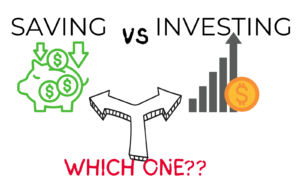
Savings keeps you safe.
Investing helps you grow.
You do not rush this step. You earn it.
The Takeaway
An emergency fund is not about fear.
It is about freedom.
Three to six months of essential expenses.
Stored in a High-Yield Savings Account.
Built slowly and intentionally.
Once it is in place, your financial decisions become calmer, clearer, and far less reactive.
That is money without noise.